
The Ultimate Guide to Sustainable Food Packaging
Plastic packaging has been a staple in the food industry for decades. From takeaway containers to disposable plates and cups, it has long been valued for its affordability and convenience. However, the environmental consequences of single-use plastic have become impossible to ignore.
Today, consumers are more environmentally conscious than ever, governments are introducing stricter regulations on plastic waste, and businesses are searching for packaging solutions that are both practical and sustainable.
One material is leading this transformation: bagasse.
Made from the fibrous residue left after extracting juice from sugarcane, bagasse is no longer considered agricultural waste. Instead, it has become one of the most promising materials for eco-friendly food packaging.
Whether you own a restaurant, café, cloud kitchen, catering company, food truck, or food manufacturing business, switching to bagasse products is more than an environmentally responsible decision—it’s a smart business strategy.
Let’s explore the seven biggest reasons businesses around the world are replacing plastic with bagasse.
What Is Bagasse?
Bagasse is the dry, fibrous material that remains after sugarcane stalks are crushed to extract their juice.
For many years, this byproduct was treated as waste or burned as fuel. Today, advances in manufacturing allow it to be molded into durable, high-quality disposable products such as:
- Plates
- Bowls
- Food containers
- Meal trays
- Clamshell boxes
- Cups and lids
- Serving trays
Instead of producing more plastic, manufacturers are transforming an existing agricultural byproduct into useful everyday products.
This process supports a circular economy by turning waste into valuable resources.
1. Bagasse Is Better for the Environment
One of the biggest reasons businesses are moving away from plastic is environmental responsibility.
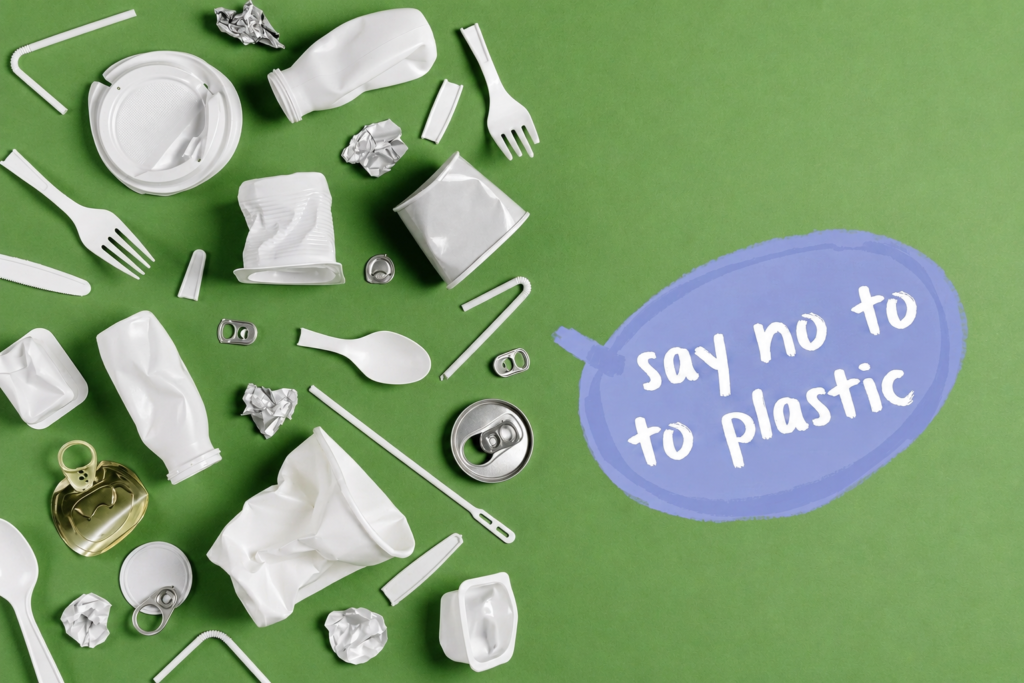
Plastic can remain in landfills and oceans for hundreds of years, slowly breaking into harmful microplastics that pollute ecosystems and threaten wildlife.
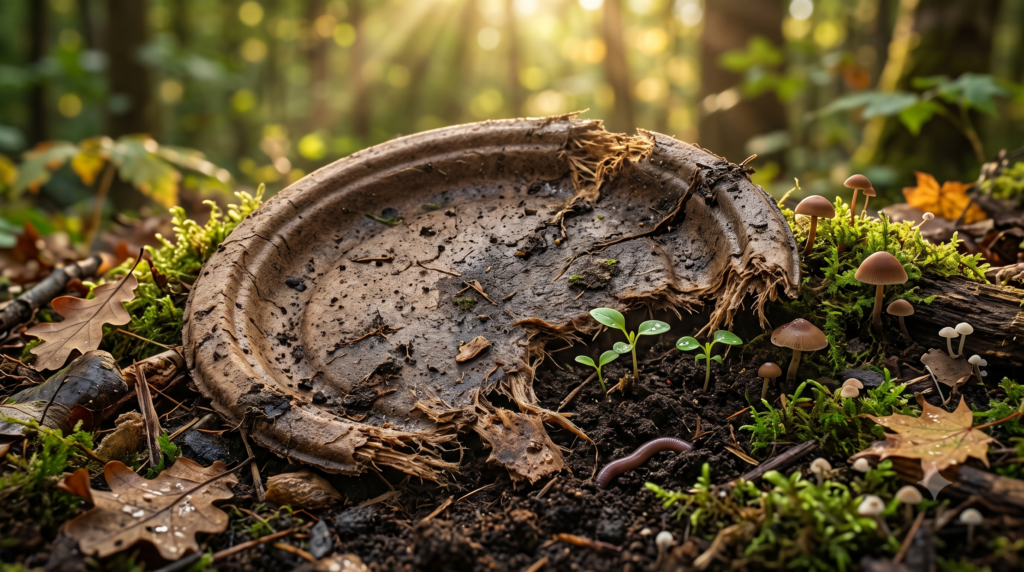
Bagasse products, on the other hand, are made from natural plant fibers and are designed to decompose under composting conditions. Rather than becoming long-term waste, they return to the environment as organic matter.
Every meal served in bagasse packaging instead of plastic is a step toward reducing pollution and conserving natural resources.
2. It Gives Agricultural Waste a Second Life
Sustainability isn’t only about reducing waste—it’s also about making better use of the resources we already have.
Sugarcane is grown in large quantities around the world, generating significant amounts of bagasse after juice extraction.
Instead of discarding this material, manufacturers transform it into durable tableware and food packaging.
This approach:
- Reduces agricultural waste
- Minimizes unnecessary burning
- Conserves raw materials
- Supports sustainable manufacturing
Choosing bagasse means supporting smarter production practices that benefit both businesses and the environment.
3. Bagasse Performs Just as Well as Plastic
Many businesses worry that sustainable packaging won’t match the performance of plastic.
Modern bagasse products prove otherwise.
High-quality bagasse tableware is:
- Strong and durable
- Leak-resistant
- Grease-resistant
- Suitable for hot and cold foods
- Microwave-safe
- Freezer-safe
- Comfortable to hold
- Designed for everyday commercial food service
Whether serving pasta, curry, burgers, rice bowls, desserts, salads, or soups, bagasse packaging provides the strength businesses need without compromising the customer experience.
4. Customers Expect Sustainable Packaging
Consumer preferences have changed dramatically.
Today’s customers pay attention not only to the food they purchase but also to how it is packaged.
Many consumers actively support businesses that reduce plastic waste and adopt environmentally responsible practices.
Using bagasse packaging tells customers that your business values:
- Sustainability
- Environmental responsibility
- Innovation
- Community well-being
This positive perception helps build trust and encourages repeat business.
Customers increasingly remember brands that align with their values.
5. Businesses Are Preparing for Stricter Plastic Regulations
Governments across the world continue introducing policies that limit or ban certain single-use plastic products.
Businesses that continue relying solely on plastic may face future compliance challenges.
By switching to bagasse today, businesses can:
- Reduce dependence on plastic
- Prepare for changing regulations
- Demonstrate environmental leadership
- Avoid costly last-minute packaging changes
Being proactive is always better than reacting after regulations take effect.
6. Sustainable Packaging Strengthens Your Brand
Packaging has become part of the customer experience.
Natural-looking bagasse products communicate quality, responsibility, and professionalism.
Whether customers are dining in, ordering takeaway, or receiving food delivery, sustainable packaging leaves a lasting impression.
Businesses using eco-friendly packaging often enjoy:
- Improved customer loyalty
- Better online reviews
- Increased social media engagement
- Stronger brand recognition
- Greater trust among environmentally conscious consumers
In today’s competitive marketplace, packaging is more than a container—it is an extension of your brand.
7. Bagasse Is an Investment in the Future
Sustainability is no longer optional.
It is becoming one of the defining characteristics of successful businesses.
Investing in compostable packaging demonstrates long-term thinking.
Businesses that embrace sustainable practices today are better positioned to:
- Attract environmentally conscious customers
- Meet future regulatory requirements
- Improve brand reputation
- Stay ahead of competitors
- Support global sustainability efforts
The transition from plastic to bagasse is an investment that benefits both business growth and environmental protection.
Industries That Benefit from Bagasse Products
Bagasse products are suitable for almost every food-related business.
They are widely used by:
- Restaurants
- Cafés
- Cloud kitchens
- Catering companies
- Hotels
- Bakeries
- Food trucks
- Event organizers
- Corporate cafeterias
- Schools and universities
- Hospitals
- Retail food chains
Their versatility makes them an excellent choice for businesses of every size.
Why Customers Love Bagasse Tableware
Consumers appreciate bagasse products because they combine convenience with sustainability.
Some of the most appreciated features include:
- Elegant natural appearance
- No plastic feel
- Comfortable to hold
- Strong enough for heavy meals
- Suitable for hot and cold foods
- Less guilt associated with disposable products
- Supports environmentally responsible choices
For many customers, sustainable packaging enhances the overall dining experience.
The Future of Food Packaging
The global packaging industry is moving rapidly toward renewable materials.
As environmental awareness continues to grow, compostable packaging is becoming the preferred option for businesses that want to remain competitive.
Bagasse represents the perfect balance between performance and sustainability.
Instead of choosing between convenience and environmental responsibility, businesses can now enjoy both.
Frequently Asked Questions
What are bagasse products made from?
Bagasse products are manufactured from the fibrous residue left after extracting juice from sugarcane. This agricultural byproduct is cleaned, processed, and molded into disposable food packaging and tableware.
Are bagasse products biodegradable?
Yes. Bagasse products are biodegradable and are designed to break down naturally under suitable composting conditions, reducing long-term waste compared to conventional plastic.
Can bagasse containers hold hot food?
Absolutely. High-quality bagasse containers are designed for both hot and cold foods and are resistant to oil and moisture.
Are bagasse products microwave-safe?
Yes. Most bagasse plates, bowls, and containers can safely be used in the microwave for reheating food.
Are bagasse products freezer-safe?
Yes. Bagasse packaging performs well in freezer storage, making it suitable for chilled and frozen foods.
Is bagasse better than plastic?
For businesses seeking sustainable packaging, bagasse offers several advantages. It is made from renewable resources, helps reduce plastic waste, has a natural appearance, and performs exceptionally well in food service applications.
Final Thoughts
Replacing plastic with bagasse isn’t simply about following a trend—it’s about preparing your business for the future.
Customers increasingly expect environmentally responsible choices, governments are encouraging sustainable alternatives, and businesses are recognizing that eco-friendly packaging is good for both the planet and their brand.
By choosing bagasse products, you’re not just serving food. You’re making a statement about your commitment to sustainability, innovation, and responsible business practices.
Every plate, bowl, and food container made from sugarcane fiber represents a small but meaningful step toward a cleaner future.
Ready to Switch to Sustainable Packaging?
If you’re looking for premium-quality bagasse plates, bowls, meal trays, takeaway containers, and compostable food packaging, explore our collection today.
Make the switch from plastic to bagasse and join the growing number of businesses creating a greener future—one meal at a time.



 by
by